Monday, May 29, 2006

Assuggass Amaggaz a Ranida

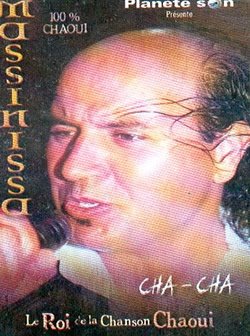
A touching birthday song by MASSINISSA

Enjoy s lehna assuggass amaggaz


assuggass d-amaggaz a Ranida yelli

Sarghed Tachamma3T nnem TamazwaruT idi

et3ayded di nSaf n tuTawin nnem

s Sfa d smaH n lwaldin nnem

am w-assa am w-adecha enekker wa nghana

wa ennini Ranida am yiTri deg jenna

assuggass d-amaggaz a Ranida yelli

Sarghed Tachamma3T nnem TamazwaruT idi

etabdid tbannid di laHyuD n la3mar nnem

si segrem yucha rabbi deg ussen nnem

laghna ghannigh fellam ad yeddar ur tmata

i yeye lulen deg nebdu d lmachta

sim egzragh metta yellen f TmureT

chem taziri n wakhem d tmaddureT

l3ach nnem yazda su falu n timuzgha

laSl nnem yella si zik machi netsagha.


Happy Birthday

Happy birthday daughter Ranida

Let's celebrate your first birthday

Celebrate it among your peers

With pure blessings of your parents

Like today, we will always sing...

And say : Ranida is a star in the sky

Start building the layers of your life

With God's blessings upon your days

I sing my wishes of a long life to you...

And to the children of all seasons

I envision the future of TamuretT through you

You are the light of the house and life

Your roots are deep-rooted in Tamazighness

Your roots are old as history


Sunday, May 28, 2006

I Heard It Through The Grapevine

Metta hallem/t,

Some news items to report, courtesy of Latti3ad n Tshawit:

-There is a new kid in the shawi music scene. He does a mean Jermouni. Mean as in fantastic. What a voice! His name is Mourad Sid, from the region of Oum el Bouaghi.

-Shawi music festival will be held in Merouana, early July.

-Joe and les Berberes are in the process of producing a new album. The album will include their famous song Bechtoula.

The guys of latti3ad n Tshawit use the term TasfifT to mean Album. I wonder what is the origin of the word? Any ideas?

Until next time, qimet di lehna.

Friday, May 26, 2006

MASIKA


Masika is another beauty from lalla Markunda. The song is about a girl from Ait Soltan, Markunda's community.The song is from her first album. The lyrics are beautiful and the voice is out of this world.

Enjoy s lehna, song70 Masika

Masika

ha Masika ha Missila

awid ulli gher Tra3qiT a Masika

maniss ttusid a Masika maniss ttusid

Tusided si lamsil... nnigh si Markunda

barka akhammam rag3ad ulli nnem... ha Missila.

ha Masika ha Missila

awid ulli gher Tra3qiT a Masika

chem d-yelliss n Ait Soltan a Masika

d-yelliss n Ait Soltan... a Missila

barka akhammam rag3ad ulli nnem... ha Missila.

ha Masika ha Missila

awid ulli gher Tra3qiT a Masika

DofeT nnem deg aman a Masika

u chem ikhf nnem deg jenna a Missila

barka akhammam rag3ad ulli nnem...ha Missila.

ha Masika ha Missila

awid ulli gher Tra3qiT a Masika

mani llent Tiqayyarin nu quwar nnem a Masika

Hlant am chem... a Missila

Monday, May 22, 2006

Aith Frah Online


Aith Frah is a well documented site! It deals with the community of Ait Frah with all its facets : history, geography, genealogy, water system, publications, flora..etc.

A lot has been written about the community of Ait Frah, good and bad. But it is nice to have a native perspective. Majid is a native of the area and I believe he did an excellent job in presenting his community to the world. Please note the shawi terminology in flora, geography, and fountains .

Check out the site and say hello to Majid. I am sure he will be happy to hear from you. Let him know what you think of the site : criticism, suggestions and questions.

Happy surfing!

wayya d win : This 'n' that

metta hallem/t, how is it going

Here are a few words/ expressions I picked up from Latti3ad n Tshawit:

esbayer : traditions. I am familiar with the word la3wayed-derived from Arabic- so the word asbayer is new to me.

anguggui : Earthquake

adarDiq : explosion

Korea anaddayeT : South Korea

gher Ta ad yeggurn, qimet di lehna.

Friday, May 19, 2006

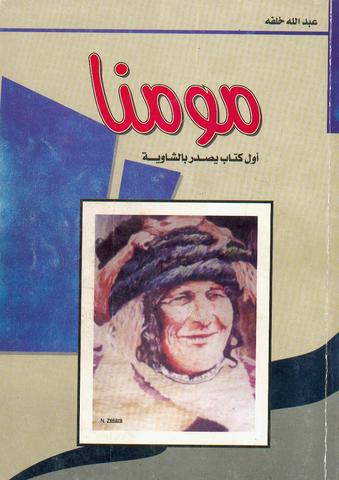
Moumna : A Poetic Journey


Author : Abdellah KHELFA

Title : Moumna

Type : Poetry

Publisher : Éditions Echihab , Batna, 2002


In Moumna, Abdellah Khelfa takes the reader on a poetic journey that gently relaxes one from the inside out . The author presents us with a collection of inspiring poems. He tackles themes such as love, spirituality, brotherhood and exile.

Here is an example of what awaits the reader. This is from the poem Moumna:


am netchni...am moumna
netzalla... s wa nesla
netzalla... s wa nezra
nassen... aHalleq yella


MOUMNA : The Believer

In the same way Moumna prayed
we pray to what we hear
we pray to what we see
we know ...God exists


Tuesday, May 16, 2006

Irahhaben

MASSINISSA is a master in conveying his message to the listeners. He has the ability of making his listeners a part of the whole experience. In terra terra, he describes TaraHbiT, an Algerian musical tradition known in Aures and the rest of the Shawi regions.

terra terra is song7 from the album terra terra, 2004.

Enjoy, s lehna, song11 terra terra


terra terra

iraHHaban ussinid ehen ghatSinid

a lussa3 a yuden Tigmid aDammine s dhane

terra terra tarHaT inin ernitid aman

bism Allah rabbi d-awal iss ed abdane.

rab3a rab3a msamen wa aruD amellal

TayTi nu Dar afusi awma d-alfane amoqrane

yeyya ed ruHan yeyya ed assen

refden wa srussen

....... n Ichawiyen tnegneg di kul mkan

iraHHaban ussinid ehen ghatSinid

a lussa3 a yuden Tigmid aDammine s dhane

terra terra tarHaT inin ernitid aman

bism Allah rabbi d-awal iss ed abdane

Tarwa n wadrar n Chilia Tarwa n lehwa yiSfan

ggrend SSudayen wa etesled di kul mkan

sama sama hisizwin etesled egallen

neggeT n Ichawiyen awma di kul mkan


Monday, May 15, 2006

latti3ad n Tashawit

latti3ad n Tashawit is a Shawi radio program. You can catch it at lachaine2

Their schedule : Saturday-Sunday-Monday-Tuesday-Wednesday, 2 pm-3pm dz time.


The program covers different subjects: news, language, cultural issues and history.

I managed to follow Sunday's program. Here is a summary for you:

Music : markunda, Jamal Sabri, Salim miss u mazigh and les fideles.

This is the first time I hear les fideles. They are very good.

Traditions : Boussaha talked abou different traditions(from around the world). There is one particular Auressian tradition I found interesting. It seems that in some shawi areas, if it was raining and the people thought they had enough and wanted it to stop, they throw aqannuchet n waghi, a bowl of milk to the heavens. I must admit I never heard this one before.

Language : the program featured a segment titled iles n Tshawit, presented by Ahmed Boussaha. iles n Tshawit is a weekly session which deals with old/lost shawi words.

Mr. Boussaha talked about the following words:

1-anemsir, aglim n yiker : rams' skin. Do you know the roots of the word?

Mr Boussaha traces the word anemsir to Tafar3oniT, the old Egyptian language.

2-islan : the word asli means groom, but what does islan mean?.

Mr Boussaha suggests that in the region of Khenchela, awal islan is used to mean wedding/celebration.

3-afunas : the male of a cow, but do you know that it has another use? Can you guess?

According to Boussaha, awal afunas can be used to determine a quantity of water. Example: flan ghars nubb nu funas. I suppose he is talking about the old days when people took turns in using water for their land.

4-Tagazit : chicken, but it has another use, can you guess?

It seems that in addition to its known meaning(chicken), awal Tagazit has a geometric dimension. Mr Boussaha suggested that awal Tagazit can be used to describe a type/shape of wood. He went on to say," amk qqaren di Ta3arabet tajj; u di Tafransist chapiteau..."

Until next time, qimet di lehna.

Sunday, May 14, 2006

Les cahiers de la culture

I came across an item of interest in lesoirdalgerie. Les cahiers de la culture, a cultural magazine published by la direction de la culture de Batna. . The publication, in its second issue is published in Arabic French and Tashawit.

I appeal to the readers who are familiar with the publication to do their twiza. Please share with us anything you know about the publication. Thanks!

Friday, May 12, 2006

ekker ay amghid : Workers Of The World Unite


The song amghid - song5- is about imghiden, the workers and their struggle. A song of univesal appeal. Salim at his best!


ekker

ekker ay amghid!

yetchenegh usallas

Tirzag TmedurT, aghrum damessas

netazzel nkhadem , yuwanegh u nezgum

win yessussmem, u3aniT d-aserdun

netchnin nemmuT, g wammas n luzinet

f ighallen nnegh, s3alan lvilaT

amk nettazzel f ughrum amessas

ikhf u yur a nef amarwas

yenghanegh lham, laz nhennaT

unezri metta yellan gher zdaT

ekker ay aguellil!

yetchanegh usalless

Tamza Tussid, Tessen3aT Tighmass

nehnin am tamza, gguren deg usallass

wa yuDin zinnegh, ad 3afsen fellas

ay ghaDan d-irgazen yenzin su sordi n Hass

ay ghaDan d-igallilen ittarjin s fawet n wass.


Wake-up

Wake up, worker!

we are overwhelmed by darkness

Life became a living hell

we keep working for a lousy living

If you don't resist you will be stepped on

While we are sweating it up in factories

They built castles on our suffering

We struggle for a meagre living

By the end of the month we are in debt

........................................................

We don't know what lies ahead

Wake up, struggler!

we are overwhelmed by darkness

Tamza* has arrived, showing its teeth

Like Tamza, they are plotting in darkness

They crash the most venerable of us

I feel sorry for the men, sold for a penny

I feel sorry for the poor, dreaming of dawn


* Ogress. In other words, bosses, corporations, govt....

Thursday, May 11, 2006

sussem

sussem is an old shawi song. There are different versions, but the idea is the same. A lonely mother is talking to her little boy while she is weaving. A sad lullaby!


sussem

sussem sussem a 3alla memmi

ennig a3law i babak

babak iroH iba3dek

yewwi TarumiT ijja yemmek

sussem sussem a 3alla memmi

ennig a3law du qachabi

babak iroH ijja lwali.


Hush

Hush hush 3alla, my son

Let us weave a burnous for your daddy

Your daddy who took off and left you

He left your mother for a French woman

Hush hush 3alla, my son

I am weaving a burnous and a qachabi *

Your father abandoned his family

*TaqachabiT/haqachabiT : Algerian traditional coat.

Tuesday, May 9, 2006

lghim lghim

lghim lghim is a short poem, attributed to an amadiaz, seg ghir n Tmerwanet, from the region of Merouana. In it, the poet is expressing his happiness with the signs of a good agricultural season

lghim lghim a TaguT

ajenna yersed f tmureT

afraH afraH a TahuT

ya nnawar n tafsuT

hwanid ideflawen

hawanid f idaglawen

arTaHen ulawen

taqammaraT n ye3dawen.


Keeping with the same theme, here is another poem, very similar to lghim lghim. This one is atributed to Salah Bezzala, seg ghir n Tkuket, from the area of Tkout.
ersed ersed a TaguT

ajenna ighatta TamurT

ayaTmem ghattan ajenna

ssune TamurT

Sunday, May 7, 2006

nechnine dimoDane

I don't know much about MASYLIA, but "nechnine di moDane" is a pretty song. It reminds me a bit of Jermouni's timeless "a nechnine di maghbane di Tmura n yudan." Needless to say that the beat of the two songs is different. Let me know if you have any info about MASYLIA.

Enjoy Massilia

nechnine dimoDan nechnine dimoDan

lalla walma di Tmura n yudan

yawwanegh u nezgum si lham abarkan

a tayyaraT inin i3alan

lwashun tawwid mani wallen

lalla walma inassen ad wallen

war3ad trajigh war3ad trajigh

lalla walma fellam ad laghigh

awal Tinid nech a Tinigh

Saturday, May 6, 2006

La Morphologie Casuelle du Chawi

Author : Muhend MEZIANI

Originally posted in chawinet


1). Introduction

L’objet de cette étude est le phénomène de la morphologie casuelle du Berbère (Chawi). Cet aspect est analysé par Guerssel (1995) dans le parler berbère d’Ait Seghrouchen. Selon lui:1) “le Cas en Berbère doit être réalisé et représenté morphologiquement par un clitique ou par un Case-marker”. Guerssel (1995). Il a montré que le Cas datif et locatif sont réalisés comme Case-markers parfaits. Le Cas accusatif dans les constructions sans clitique est réalisé comme un Case-marker imparfait. Dans les constructions à clitique, les Cas accusatif et nominatif sont réalisés comme clitiques. Guerssel considère que dans les constructions à clitiques (accusatif et nominatif), les DPs réalisés sont en fait des types de clitic- doubling.

On remarque que cette analyse fait abstraction des clitiques qui apparaissent avec des Case-markers parfaits. Dans ce genre de constructions, l’analyse de Guerssel n’est pas très claire. Parce que, d’un côté, elle ne permet pas de savoir si le Cas est représenté morphologiquement par un Case-marker ou par un clitique. De l’autre, elle n’explique pas non plus le système casuel du Berbère d’une manière homogène. C’est pourquoi, j’aimerais proposer une analyse différente ayant l’avantage d’expliquer ce phénpmène d’une façon uniforme.

De cette manière, l’ analyse de Guerssel doit être reformulée partiellement comme dans (2).

(2) “Le Cas en Berbère doit être réalisé uniquement comme Case-marker.”

2. LE SYSTEME CASUEL DU BERBERE

Les syntagmes nominaux du Berbère apparaissent sous deux formes distinctes. Celles-ci sont appelées dans la littérature état libre (EL) et état Construit ou d’Annexion (EA). Le nom apparaît toujours dans différentes variétés du Berbère à:- La forme EL quand il est disloqué à gauche ou objet d’un verbe.- La la forme EA dans les constructions à clitic-doubling.

Avec les éléments tels que (“al”: jusque), (“mebla”: sans), (“sa”: à), (“gher”: chez), (“en”: son), le nom peut prendre la forme EL avec certains éléments et la forme EA avec d’autres. Ces éléments ne constituent pas une classe homogène vis à vis de cette alternance morphologique.

Chaker (1983), Ouhalla (1988) pensent que ces deux formes nominales ont une relation avec le Cas. Guerssel (1995) constate que le contraste n’est pas entre ces deux formes morphologiques mais plutôt entre deux types de Kase Phrases (KPs). Il a proposé que la forme EA est un DP complément d’un Case-marker parfait et EL est un KP imparfait. Ce dernier lui même, dans les constructions prépositionnelles, est complément d’une préposition réalisée ou nulle. Cette distinction qu’il fait entre EA et EL lui a permis de montrer que le Cas en Berbère doit être réalisé morphologiquement.

2.1 LA REALISATION MORPHOLOGIQUE DU CAS

Selon Guerssel, le Cas peut être représenté morphologiquement par un Case-marker ou par un clitique.

2. 1.1 Case-marker

Guerssel a proposé que le Cas est réalisé dans les propositions (3a et c) comme Case-marker parfait (“gher”: à) et (“es”: avec). Les constructions (3b et d) sont agrammaticales. Selon lui, l’agrammaticalité de (3b) s’explique par le fait que le Cas n’est pas réalisé morphologiquement. Tandis que dans (3d), le cas est réalisé deux fois: une fois comme Case-marker parfait (“es”: avec) et une fois comme Case-marker imparfait “a” dans (a-sfar).

(3)

a. rwel-x gher wjdir (Guerssel (1995:182))
fui-je jusque le falaise
J’ai fui jusque à la falaise

b. *rwel-x al wjdir (Guerssel (1995:178))
fui-je jusqu’à le falaise
J’ai fui jusque à la falaise

c. swi-x asfar es tghenjayt (Guerssel (1995:178))
bu-je médicament avec cuillère
j’ai bu un médicament avec une cuillère

d.*swi-x asfar es taghenjayt (Guerssel(1995:178))
bu-je médicament avec cuillère
j’ai bu un médicament avec une cuillère

Le Cas dans (4a) est réalisé comme Case-marker imparfait “a”dans (a-mcic). Par contre dans (4b) il n’est pas réalisé d’où l’agrammaticalité de cette construction.

(4)

a. wala-gh amcic (Guerssel (1995: 193))
vu-je chat
j’ai vu un chat

b. *wala-gh wemcic Guerssel (1995: 193))
vu-je chat
j’ai vu un chat

Dans la construction (6a) le Cas est réalisé comme Case-marker imparfait ”a” dans (a-mcic). Tandis que dans (6b), il est réalisé comme clitique “t”: le, selon Guerssel. Le nom (wemcic) dans cette construction prend la forme EA qui est un DP. La construction (6c) est agrammaticale parce que le Cas est réalisé deux fois: comme clitique “t” et comme Case-marker imparfait “a” dans (a-mcic).

3. LE PROBLEME

Suivant l’analyse de Guerssel, les constructions (7) devraient être agrammaticales. Car le Cas est réalisé deux fois: comme clitiques “k°emt”: vous (fém) et “sent”: leur ( fém)) et comme Case-marker (“gher”: chez et “en”: leur). Or, celles-ci sont tout à fait grammaticales.

(7)

a. qqim-gh gher k°emt
resté-je chez-vous (fém)
Je suis resté chez vous.

b. haddarø en sent
maison de leur
leur maison

Comme on peut remarquer dans (7), le Case-marker peut apparaître avec un clitique sans que la construction soit agrammaticale. Dans ce genre de constructions, l’analyse de Guerssel ne permet pas de savoir si le Cas est réalisé comme clitique ou comme Case-marker. Face à cette difficulté peut-on considérer que le Cas en Berbère doit être réalisé comme Case-marker ou comme clitique?


3.1 Case-marker OU CLITIQUE?

Les constructions (7) contiennent les case- markers (gher, es, en). Chacun de ces éléments sélectionne un nom à la forme EA qui est un DP. Les noms (we∂rar, heddarø et weryaz) sont respectivement compléments des têtes casuelles suivantes: locatives: (gher et si) et génitive: (en). Le nom (a∂bir) dans la construction (8d) est complément du verbe (mna∂). On remarque aussi que ce nom est à la forme EL. Je soutiens l’idée de Guerssel (1995) stipulant que la forme EL est un KP avec un Case-marker imparfait.

(8)

a. y- uyir gher we∂rar
3ms allé à montagne
Il est allé à la montagne

b. y- erya si heddarø
3ms-sorti de maison
Il est sorti de la maison

c. fus en weryaz
main de homme
La main de l’homme

d. y- emna∂ a∂bir
3ms- vu pigeon
Il a vu un pigeon


Je considère que le Cas locatif est réalisé comme Case-markers parfaits (gher et si) dans (8a et b), le Cas génitif est réalisé comme Case-marker parfait (en) dans (8c). Cependant le Cas accusatif est réalisé comme Case-marker imparfait ( “a” initiale du nom “a-∂bir”) dans (8d). Le Cas est réalisé comme Case-marker parfait ou imparfait dans les constructions (8).

Cependant dans les constructions à clitiques (9), le problème de la morphologie casuelle demeure encore sans réponse. Dans ces constructions, on remarque la présence des éléments supposés être la réalisation morphologique du Cas, à savoir les Case-markers parfaits (gher, si et en) et les clitiques (wen, ik° et es). Si on considère avec Guerssel que le Cas est réalisé deux fois, ces constructions devraient être malformées. Or, celles-ci sont tout à fait grammaticales.


(9)

a. y- uyir gher- wen
3ms allé à vous
Il est allé chez vous

b. ye- zêel si ik°
3ms-fâché de toi
Il s’est fâché de toi

c. ifassen en- es
mains de toi
tes mains

Admettons que le Cas, dans ces constructions, est réalisé comme Case-markers parfaits (gher, si et n). Les clitiques (wen, s et k) sont des compléments de ces têtes casuelles. La réalisation morphologique des Case-markers dans les constructions (9) nous a permis de supposer que le Cas est réalisé comme Case-marker. Or dans les constructions (10), seulement les clitiques (awen, ak, im et iø) sont réalisés morphologiquement. De cette manière doit-on considérer que le Cas dans (10a, b, c et d) est réalisé comme clitique? Avant de répondre à cette question, observons la forme des clitiques dans les constructions (9) et (10).

(10)

a. uci- gh awen aghrom
donné-je vous pain
Je vous ai donné du pain

b. uci- gh ak aghrom
donné-je te pain
Je t’ai donné du pain

c ifassen im
mains toi
Tes mains

d. ye- mna∂- iø
il- vu- le
Il l’a vu

Dans les constructions (9), chacun des Case-markers (gher, si et n) a un clitique comme complément (wen, k et s). Ces clitiques apparaissent sous la forme suivante: case- marker parfait + clitique (gher+wen, si+k et n+s). Cependant dans les constructions (10), la forme des clitiques est différente: (a/i+clitique (a+wen, a+k, i+m et i+ø)). Cette constatation nous permet de distinguer deux types de clitiques en Berbère: ceux qui apparaissent avec des Case-markers parfaits et ceux qui apparaissent attachés aux éléments (a/i). Considérons les premiers comme clitiques simples et les seconds comme clitiques complexes. De ce point de vue, ils se comportent comme les noms en ayant deux formes. La forme simple des clitiques est similaire à la forme d’annexion des noms. La forme complexe des clitiques est similaire à la forme libre des noms. Guerssel a analysé la forme libre des noms comme étant un KP imparfait. Il a montré que celle-ci est composée d’un Case-marker imparfait (a) qu’on rencontre à l’initiale des noms masculins et d’un nom (a+nom). Cette analyse peut être généralisée au niveau des clitiques. On remarque dans les constructions (11) que les clitiques datifs (-wen et -k) dans (11a et b) sont gouvernés par le Case-marker imparfait (a) et dans (11c et d), le clitique génitif (-m) et l’accusatif (-ø) sont gouvernés par le Case-marker imparfait (i).

(11)

a. uci- gh a- wen aghrom
donné-je vous pain
Je vous ai donné du pain

b. uci- gh a- k
donné-je te
Je t’ai donné

c ifassen i- m
mains toi
Tes mains

d. ye- mna∂- i-ø
il- vu- le
Il l’a vu

L’extension aux clitiques de l’explication de Guerssel relative à la forme libre des noms, nous a permis de montrer que le Cas (datif, génitif et accusatif) est réalisé comme Case-marker et non pas comme clitique. Les constructions (12) nous offrent un autre argument en faveur de l’hypothèse dans (2) stipulant que le Cas en Berbère doit toujours être réalisé et représenté par un Case-marker.

(12)

a. *qqim-gh gher a-kemt
resté-je chez- vous (fém)
Je suis resté chez vous

b. *haddarø en i-m
maison de ta
a maison

c . *ifassen sent
mains elles
Leurs mains

d. *ye- mna∂- ø
il- vu- le
Il l’a vu

Toutes les constructions dans (12) sont agrammaticales. L’agrammaticalité de (12a et b) s’explique par le fait que le Cas est réalisé deux fois: comme Case-marker parfait et imparfait (gher/a et n/i). Les constructions (12c et d) devraient être grammaticales car le cas est réalisé comme clitique selon la proposition de Guerssel (1995). Or, ces dernières sont agrammaticales. Dans ces constructions le Cas n’est pas réalisé morphologiquement. C’est pour cette raison que celles-ci sont agrammaticales.


4. CONCLUSION

Le cas en Berbère doit toujours être représenté morphologiquement par un Case marker. Le Berbère comporte deux types de Case-markers: les parfaits et les imparfaits. Les Case-markers parfaits sélectionnent soit des noms à la forme annexée soit des clitiques à la forme simple. Les Case-markers imparfaits sélectionnent des noms à la forme libre ou des clitiques. Ils forment avec leurs compléments (nom ou clitique) des unités complexes composée de Case-marker imparfait plus nom/clitique


Ainsi dans les constructions sans clitiques, le Cas (datif, locatif et génitif) est réalisé comme Case-marker parfait de type (gher, i et en). Le Cas accusatif est toujours réalisé comme Case-marker imparfait “a” qu’on rencontre à l’initiale des noms masculins. Dans les constructions à clitique, le Cas est représenté morphologiquement par un Case-marker parfait ou imparfait.

REFERENCES

Chaker, S., 1983: Le parler berbère d’Algérie (Kabylie): syntaxe.Thèse de doctorat d’Etat. Université de Provence, France.
Guerssel, M., 1992: On the case system of Berber. Canadian Journal of linguistics 37.
Guerssel, M., 1995: Berber clitic doubling and syntactic extraction. Revue québécoise de linguistique, volume 24 n°1. Université du Québec à Montréal.
Ouhalla, J., 1989. Clitic Movement and The ECP: Evidence from Berber and Romance Languages. North Holland
Ouhalla, J., 1988: The syntax of head movment a study of Berber. Thèse de Ph.D. University college, London.

Wednesday, May 3, 2006

Aissa Brahimi

While I was listening to latti3ad n Tashawit, I heard this beautiful song by Aissa Brahimi. The song is of achehal type, love song. I managed to write down some of its lyrics. Anyone who has the rest of the lyrics, please share them with us. Do your twiza! Use the comments section or email me.

ili di damman, u nech d-izoran

ili dajarriH, nech ad idawan

ili d-anawwer, u nech d-asannan

falu d-amallel, deg zaw abarkan

You be the blood and I will be your veins

You be the wound and I will be the healer

You be the flower and I will be the thorn*

*In other words, I will protect you. Oh, metta heHla TuTlayT nnegh!

Ishawiyen Have A Word For It : Word Of The Day_May06

melmi : When

amnay : Cavalier

asannen : Thorn

si : Since/from

anijiw : Guest

amsabrid : Traveller

mani : Where

lwashun : Guys

maghef : Why

ghir : Region

zik : Past/Old days

amarwas : Debt

ekker : Stand-up/Rise

highmass/Tighmass : Teeth

asli : Groom

aghi : Milk

Taqannuchet : Bowl

Tghawsa : Thing

aglim : Skin

hzallit/Tzallit : Prayer

TahuT : Girl

ass : Day

iD : Night

Tiwdi : Fear

udem : Face

DofeT : Wool

hiqayyarin/Tiqayyarin : Young ladies

DofeT : Wool

adecha : Tomorrow

arakTi : Dough

TasliT : Bride

Tuesday, May 2, 2006

IZURAN INU : Angelic Sounds of Aures


The song ergued/si melmi, better known as izuran inu is from Markunda's first album "Chants et rythmes Berbères Chaouïa" released in France in 198 something. Not sure about the year.


A truly wonderful slice of shawiana! Enjoy: izuran inu


And while you are enjoying the song, please spare a thought for our diva who recently lost her mother. Our thoughts and prayers are with you and and your family, Markunda! We love you!


izuran inu

si melmi nettu enarqam i3lawen

si melmi nettu adrari yaHlen

si melmi nettu enarqam i3lawen

si melmi nettu Tarwa Ichawiyen

ergued ennirar ergued ennirar

ergued ad'attugh dummar inu

ergued a Lwiza ennig twiza

yaqqim ul inu d'eg u qawwar inu

ergued ennirar ergued ennirar

ergued ad'attugh dummar inu

ergued a Hbara ennig irachman

Serfihin iw qawwar Turi Hizia

ergued ennirar ergued ennirar

ergued ad'attugh dummar inu

ergued a walma enarqam i3lawen

si melmi ttough izuran inu.

My roots

Since when have we forgotten decorating i3lawen

Since when have we forgotten the handsome boys

Since when have we forgotten decorating i3lawen

Since when have we forgotten the Shawi boys

Come on out, let us amuse ourselves

Come on out, I want to forget my blues

Come on out O Lwiza, let us do twiza

I left my heart in my village

Come on out, let us amuse ourselves

Come on out, I want to forget my blues

Come on out O Hbara, let us prepare irachman

Send some to the village for Hizia's new blessing

Come on out, let us amuse ourselves

Come on out, I want to forget my blues

Come on out O sister, let us decorate i3lawen

Since when have I forgotten my roots


© 2006-2012 Awal_nu_Shawi